
BARCELONA on a Budget: 12 Ways to See the City Without Spending a Fortune
By Los Patos Barcelona
Let's be honest — Barcelona has gotten more expensive. But here's what those same tourists don't realise: the best things in this city have always been free.
BEST VIEWPOINTS
12€ METRO CARD
ALL BEACHES
Go to Bunkers del Carmel at Sunset — Barcelona's Best View Costs Nothing
The single most spectacular view of Barcelona is not from a rooftop bar charging €14
for a gin and tonic. It is from the Bunkers del Carmel — the old Civil War anti-aircraft fortifications on the hill of Turó de la Rovira in the El Carmel
neighbourhood. From up there, you get a full 360-degree panorama: the entire city spread below you, the Sagrada Família piercing the skyline, the
Mediterranean glittering behind it, and the mountains of Collserola behind you. It is one of the great urban views in Europe, and it costs absolutely nothing.
Go an hour before sunset. Bring something cold to drink and something to sit on. Locals do exactly this, arriving in small groups, spreading out on the old concrete fortifications, and watching the sky turn above the city. It is the most perfectly Barcelona evening you can have for the price of a supermarket beer.
Menu
"The Barcelona that most tourists pay to experience is the surface. The city underneath it — the neighbourhood bars, the Sunday markets, the hilltop views — has always been free."
The Beach Is Completely Free — And It Is Genuinely World Class
Barcelona has around 4.5 kilometres of urban beach along its waterfront, and every centimetre of it is free to use. No entry fee, no reservation system, no sun lounger charge if you bring your own towel and lay it on the sand. The water is clean, the sand is maintained, and the setting — a Mediterranean city beach with mountains behind and a working port to one side — is extraordinary by any measure.
Barceloneta is the closest to the centre and the liveliest. Walk further northeast along the coastal path toward Mar Bella and Bogatell and the crowds thin out considerably — those beaches tend to have more locals and fewer tourists. The beach bars (chiringuitos) that line the sand sell cold beers for €3–4, which is a fair price for drinking something cold with your feet in the sand. Bring your own food and drink from a supermarket and the day costs you nothing at all.
Get Lost in the Gothic Quarter — No Ticket Required
The Barri Gòtic — Barcelona's Gothic Quarter — is one of the most atmospheric medieval urban neighbourhoods in Europe. Narrow stone lanes, hidden squares, Roman walls incorporated into medieval buildings, arched passageways that open unexpectedly onto small plazas with fountains. Walking through it costs nothing, and the experience of it — especially in the early evening when the light goes golden and the stone glows — is as good as anything in the city.
What makes it even better on a budget: most of the Gothic Quarter's most striking elements are visible from the street. The exterior of the Barcelona Cathedral is free to observe. The Roman columns visible through the ground-floor windows of the Temple of Augustus — a 1st century BC Roman temple sitting inside a medieval courtyard — can be seen without paying. The Pont del Bisbe bridge with its hidden skull, the medieval Plaça de Sant Felip Neri with its cannonball scars still in the walls — all free, all simply there to be walked through.
Shop and Snack at La Boqueria and Mercat de Sant Antoni — Skip the Restaurants Inside
La Boqueria, the famous covered market just off La Rambla, is genuinely spectacular — a cathedral of food stalls selling fresh fish, jamón, cheese, fruit, and prepared foods in an ornate iron-and-glass building. The mistake most visitors make is sitting down to eat at one of the stalls inside, where prices are tourist-inflated. The smarter move is to treat it as a shop: buy a bag of cut fruit (€2), a small portion of olives (€1.50), and a slice of local cheese, and take it to the bench outside or to nearby Parc de la Ciutadella.
Even better for genuine budget shopping is the Mercat de Sant Antoni in the Eixample — a recently restored 19th-century market that locals actually use for weekly grocery shopping. The prices are honest, the produce is excellent, and there are no selfie sticks. On Sunday mornings, a book and vintage market surrounds the building's exterior that is absolutely worth an hour of browsing.
Walk More Than You Think You Can — This City Was Built for It
Barcelona is exceptionally walkable. The city centre is relatively flat, the blocks are short, the streets are wide and shaded, and the distances between major landmarks
are smaller than they appear on a map. From the Gothic Quarter to the Sagrada Família is around 30 minutes on foot. From Barceloneta beach to Park Güell is about an hour — more of a commitment, but entirely doable. Most of the city's neighbourhoods — El Born, Eixample, Gràcia, Poble-sec — can be explored entirely on foot in a single afternoon.
When walking isn't enough, the T-Casual card (formerly the T-10) offers ten metro or bus trips for around €11.35. That's just over €1 per journey — cheaper than almost any equivalent public transport in a major European city. A single metro ticket bought at the machine costs €2.55. Buy the T-Casual on arrival and you'll be set for most of a week's getting around.
See Every Gaudí Building From the Outside — The Exteriors Are the Show
Entering the Sagrada Família costs around €26 per person. Casa Batlló is even more expensive. La Pedrera, Palau Güell — all ticketed, all adding up fast if you're trying to see multiple Gaudí buildings in one trip. Here is a useful truth: Gaudí's facades are as extraordinary as anything inside. His buildings were designed to be read from the street — the surfaces, the rooflines, the colour, the organic sculptural detail — all of it visible and completely free from the pavement.
Walk the length of Passeig de Gràcia and you get Casa Batlló and Casa Milà (La Pedrera) within a few minutes of each other. Detour to Carrer de Provença for the Sagrada Família exterior — best viewed from the Plaça de la Sagrada Família park directly opposite. Head to Gràcia for Casa Vicens, Gaudí's very first built work, which is arguably the most colourful. You will have experienced most of what makes these buildings remarkable without spending a cent on admission.
Drink Vermouth Like a Local — €3 in the Right Bar, €14 in the Wrong One
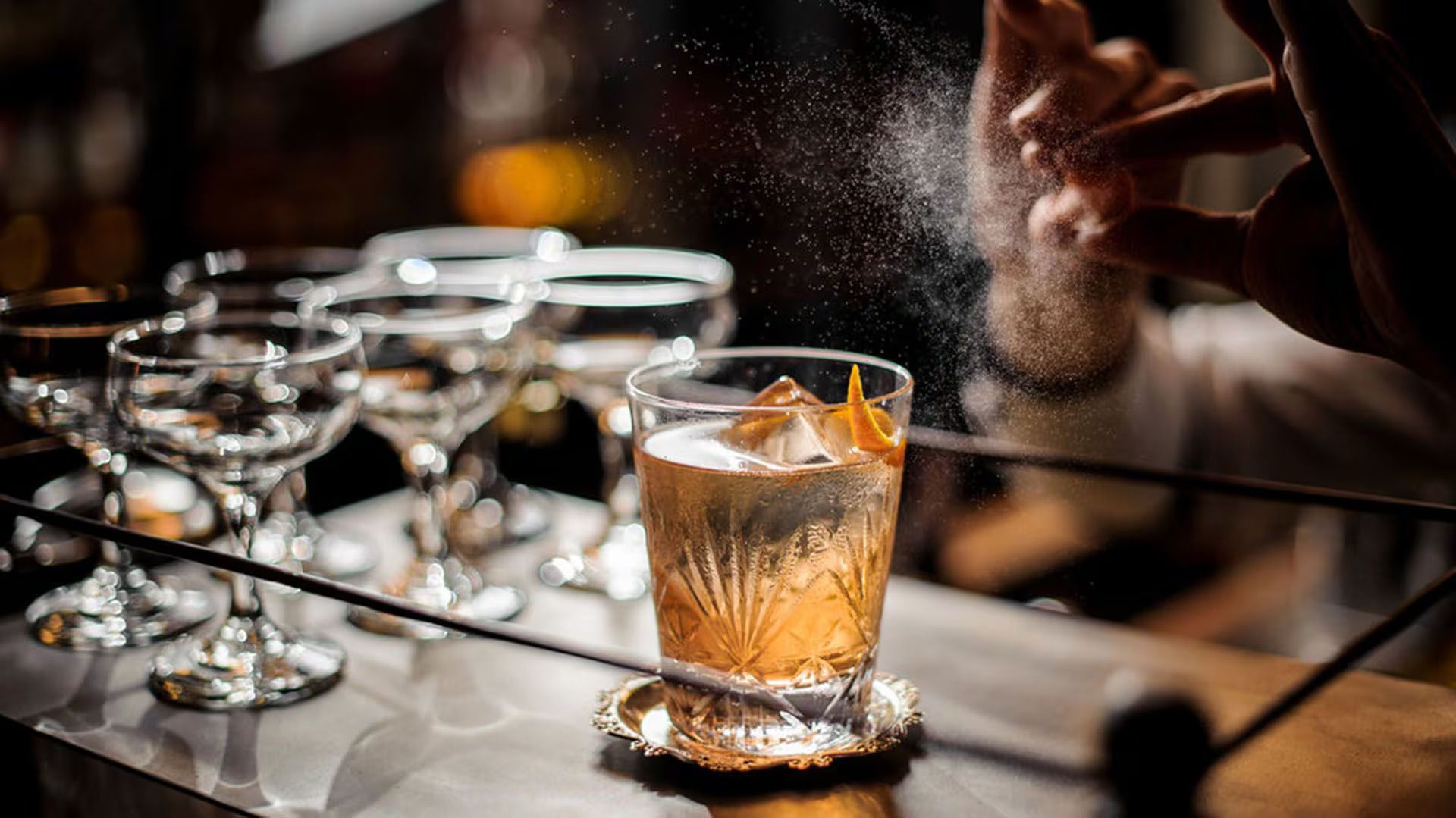
Barcelona's vermouth culture is one of the great pleasures of the city, and in the right bars it is extraordinarily affordable. A glass of house vermut — served cold over ice with an orange slice and an anchovy-stuffed olive — costs between €2.50 and €4 in neighbourhood bars across Poble-sec, Gràcia, Sant Antoni, and El Born. The same drink, served in a bar on the waterfront tourist strip or on the Passeig de Gràcia, can cost €12–€14.
The location that offers the best combination of quality, price, and atmosphere for vermouth is Carrer del Parlament in Sant Antoni — a street of small, characterful bars that runs through the neighbourhood just southwest of the Eixample. On Sunday mornings especially, the entire street fills with locals doing their weekly vermut ritual. Join them. Order in Spanish or Catalan. Tip a small amount. You're now living in Barcelona rather than visiting it.
Parc de la Ciutadella Is Barcelona's Green Lung — and It's Always Free
Parc de la Ciutadella is the largest green space in the city centre — a 17-hectare park built on the site of a demolished military citadel for the 1888 Universal Exposition. It
contains a boating lake (rowing boats rent for around €6 for 45 minutes), a zoo (paid), the Catalan Parliament building, and the Cascada Monumental — a grand theatrical waterfall and fountain that a young Antoni Gaudí reportedly helped design as a student. The park itself is completely free to enter and open every day.
On weekends and sunny weekday afternoons, it functions as Barcelona's living room: families with children, groups of friends playing music, people reading on the grass, informal sports games, and couples on the rowing lake. There is a permanent cast-iron greenhouse (Hivernacle) that occasionally hosts free evening concerts. The park is also the easiest place in the central city to eat a proper picnic without paying for a restaurant table.
Avoid Peak Season and the Tourist Spine — Two Rules That Change Everything
Barcelona's tourist spine — La Rambla, Plaça Reial, the waterfront restaurant strip, and any establishment within 200 metres of a major Gaudí building — runs on tourist prices. The restaurants there charge 40–60% more for the same dishes you'd eat two streets back. The bars charge double for worse drinks. The energy is frantic rather than enjoyable. Once you know this, the solution is simple: walk two or three streets off the main drag in any direction and you immediately find the genuine neighbourhood with honest prices.
On timing: visiting Barcelona in May, early June, October, or November cuts accommodation costs dramatically compared to July and August, while the weather remains genuinely good. Shoulder-season Barcelona is often more pleasant anyway — less queue at the Sagrada Família, less crowd at the beach,
actual space to stand at the bar. If you can be flexible on timing, the savings are substantial.
The Magic Fountain of Montjuïc Is a Free Spectacle Nobody Should Miss
On Thursday through Sunday evenings (exact schedules vary by season), the Font Màgica — the Magic Fountain at the foot of Montjuïc hill — runs a free light and music show that draws huge crowds of locals and visitors alike. The fountain was built for the 1929 International Exposition and restored multiple times since. The shows involve choreographed jets of water up to 15 metres high, coloured lights, and music, lasting around 20–30 minutes each session.
It sounds like a tourist trap, but it isn't — the scale is genuinely impressive, the crowds that gather are mixed and good-natured, and the setting in front of the grand Palau Nacional (which houses the MNAC) is spectacular. It costs nothing to watch from anywhere on the broad steps and esplanade surrounding the fountain. Arrive 20
minutes early for a good spot and stay for the full show.
Carrer de Blai in Poble-sec — Barcelona's Best Street for €1 Pintxos
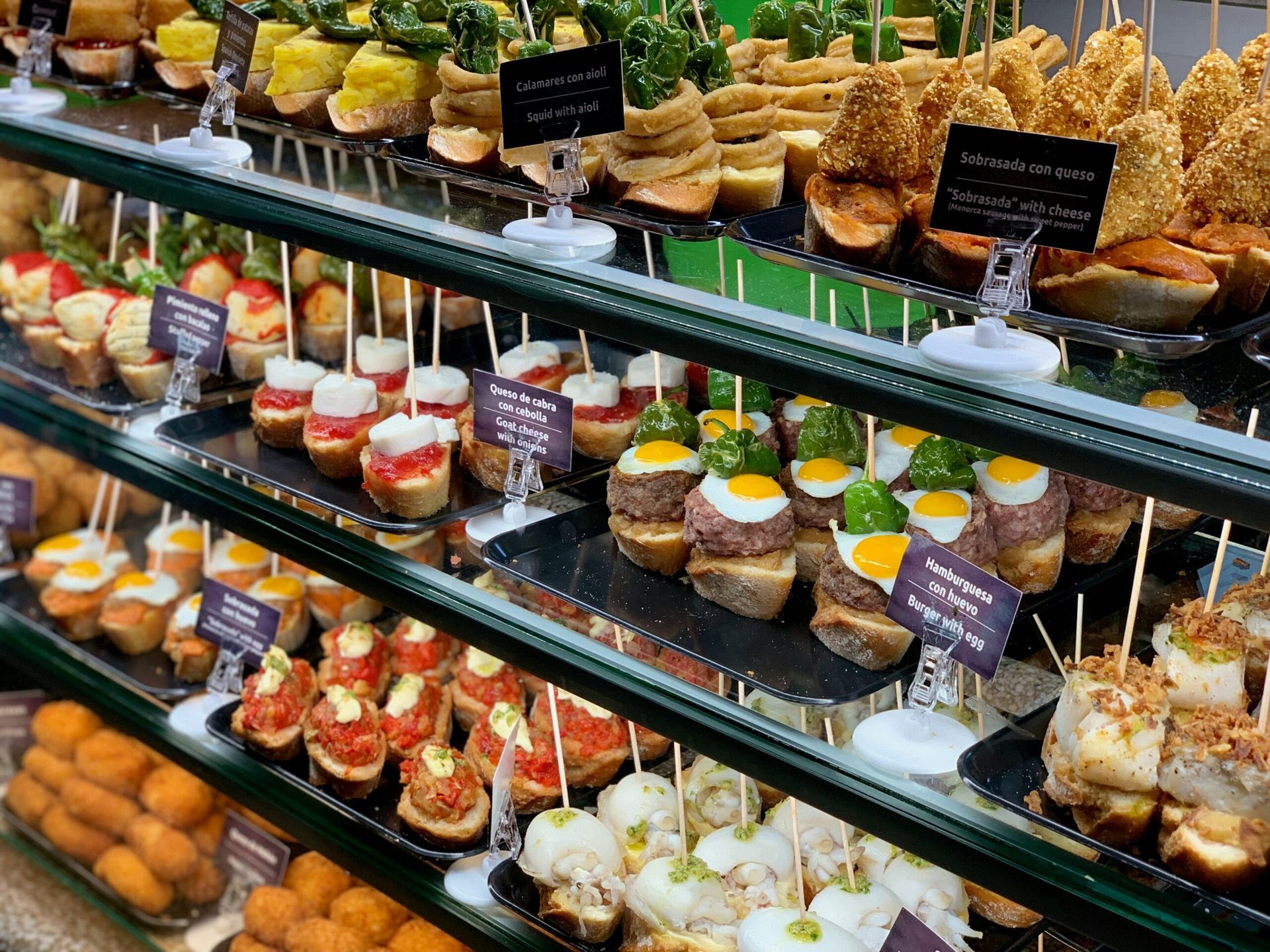
One street in Barcelona deserves its own entry in every budget guide: Carrer de Blai in the Poble-sec neighbourhood, often called the pintxos street. The Basque tradition of pintxos — small bites of food on cocktail sticks or small bread rounds, displayed along bar counters and priced individually — arrived in Poble-sec decades ago and never left. The bars along Blai sell them for €1 to €2 each, piled high with toppings: jamón, anchovy, tortilla, cheese, roasted vegetables, seafood.
The way it works: walk the street, go into the bar with the display that looks best to you, order a beer or a glass of wine (usually €2–3), and point at the pintxos you want. Eat standing at the bar or outside on the street. Move to the next bar when you feel like it. It is one of the most genuinely social and affordable ways to eat in the entire city, and the neighbourhood itself — with its wide pavements and local character — is one of the best in Barcelona to spend an evening in.
The Most Social Thing to Do in Barcelona — and It Won't Break the Bank
Experience Barcelona’s nightlife in a fun, safe, and social way. Meet fellow travelers from around the world, enjoy exclusive drink deals, visit some of the city’s best bars and clubs, and create unforgettable memories with on our guided pub crawl.
FAQs
Budget Barcelona: Your Questions Answered
Is Barcelona expensive to visit in 2026?
More than it was five years ago, yes. But many of the best experiences in Barcelona are free — the beaches, the Gothic Quarter, the Bunkers del Carmel viewpoint, the Magic Fountain, and Parc de la Ciutadella. Smart choices around food (menú del día), drink (neighbourhood bars), and transport (T-Casual card) keep costs very manageable.
What is the menú del día and where do I find it?
The menú del día is a fixed-price weekday lunch menu — starter, main, dessert or coffee, and a drink — for around €12–15. Find it at any neighbourhood restaurant (not tourist zone) from
around 1pm to 3:30pm Monday to Friday. Look for handwritten menus on chalkboards outside the door.
Which museums in Barcelona are free in 2026?
The MNAC is free the first Sunday of the month and Saturday afternoons from 3pm. The Picasso Museum is free on Thursday evenings and the first Sunday of the month. The MACBA is free Saturday afternoons from 4pm. The city's Town Hall is free every Sunday morning. Always verify on official museum websites before visiting.
Is Bunkers del Carmel free to visit?
Completely free, open at all hours, no reservation needed. It is Barcelona's best panoramic viewpoint. The walk up takes 20–30 minutes from the nearest metro. Sunset is the best time to go.
What is the cheapest way to get around Barcelona?
Walk whenever possible — the city is flat and compact. For longer distances, buy a T-Casual card (10 trips for ~€11.35) at any metro station machine. Avoid taxis for short journeys and never take the tourist bus unless you have a specific reason for it.
Experience Barcelona
the Way Locals Do —
Without the Tourist Prices
Los Patos Barcelona runs social nights out through the city's
best neighbourhood bars — meet fellow travellers, explore real
Barcelona, and make the most of every euro.